The National Gallery of Art
Scientific Research Department
Conservation Science
Characterization of Inkjet Prints
Dr. Joan Walker, Brock Manville
Project Summary
Over the course of nine weeks, I carried out an independent research project related to the characterization of inkjet prints. I designed two experiments. First, I used 8 analytical techniques to identify key components in a reference set of inkjet prints. Second, I performed 2 artificial aging studies and destructive analysis to predict long-term storage effects on inkjet prints in various conditions.
Skills
Museum sustainability
- Artificial aging studies of materials
- Knowledge of sustainability frameworks (Bizot Green Protocol)
- Analysis of large data sets (PM2.5) external project
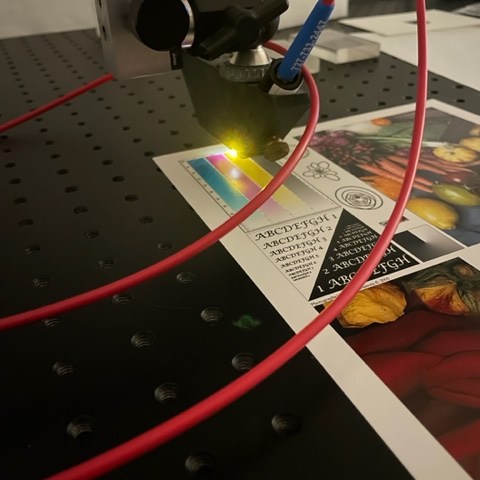
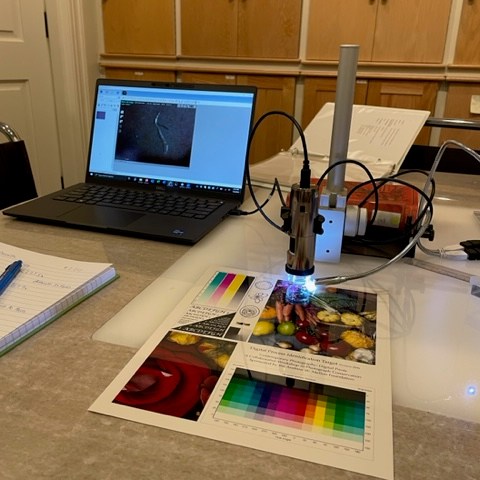
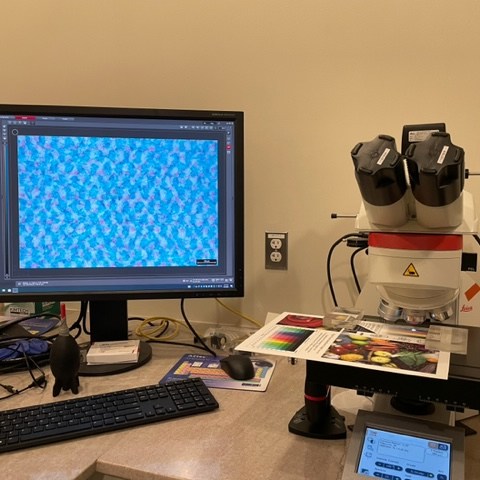
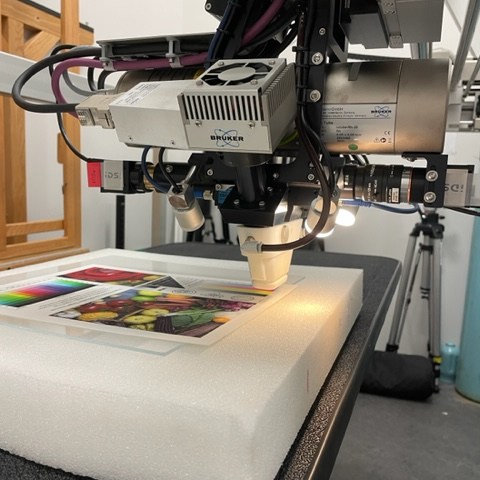
Analytical techniques (Instrument)
- XRF Spectroscopy (Bruker M6 Jetstream spectrometer)
- SEM Imaging (Tescan MIRA FE-SEM)
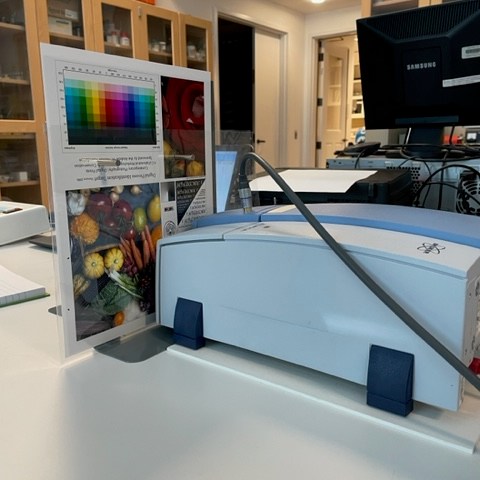
- Raman Spectroscopy (Renishaw InVia Raman microscope)MFT (Ocean Optics HPX-2000 xenon arc lamp with PerkinElmer PDA-512 diode-array spectrometer)
- Portable FTIR with ER attachment (Bruker ALPHA portable spectrometer)
- Benchtop ATR (PerkinElmer Frontier spectrometer with DTGS detector)
- Optical Microscopy (Leica Microscope)
- Digital Microscopy (Dino-lite AF7915MZT high-resolution, Edge series, with raking light)
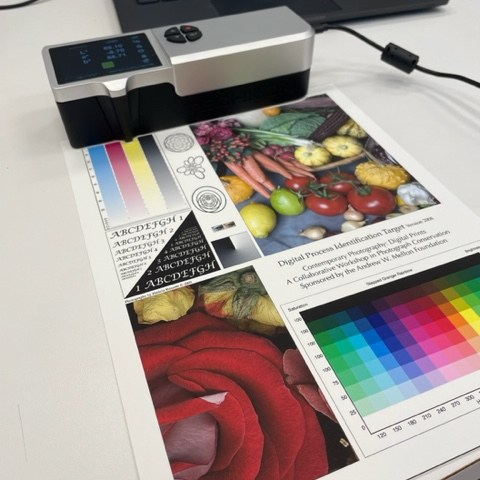
- Colorimetry (TECHKON SpectroDens Premium spectrophotometer)
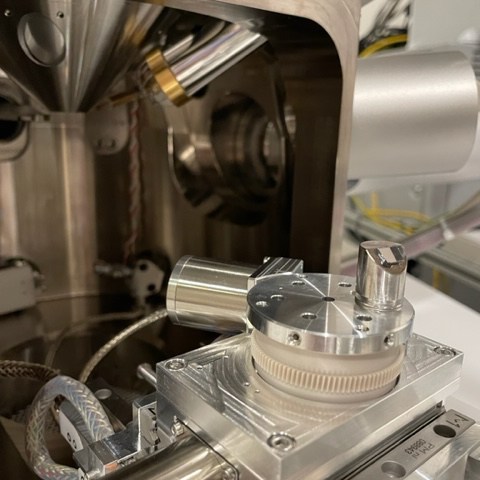
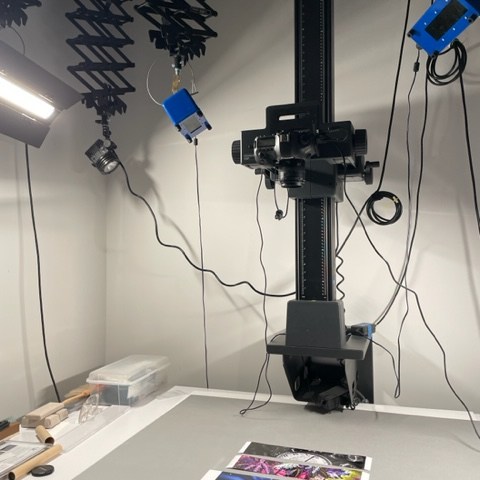
Museum sustainability
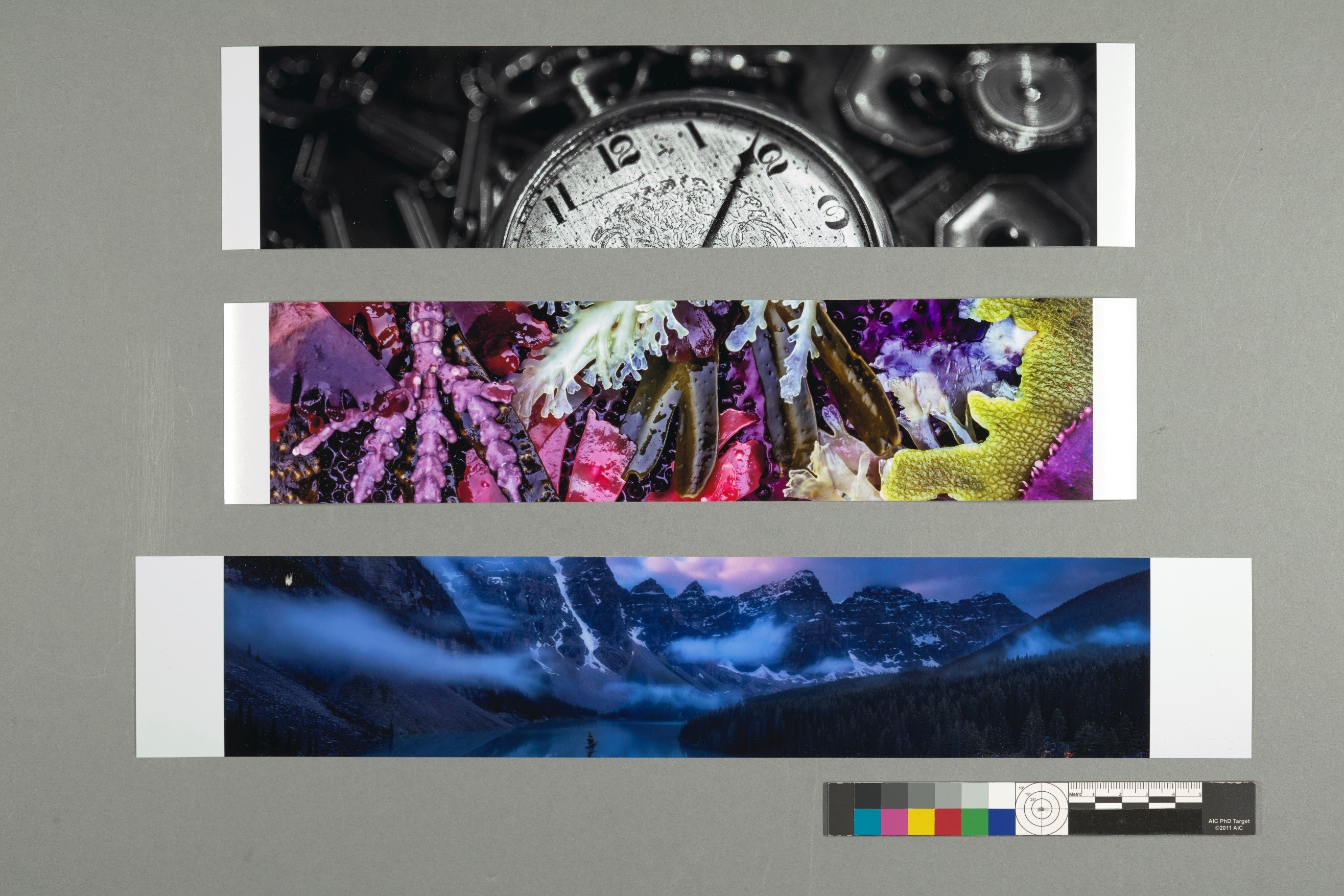
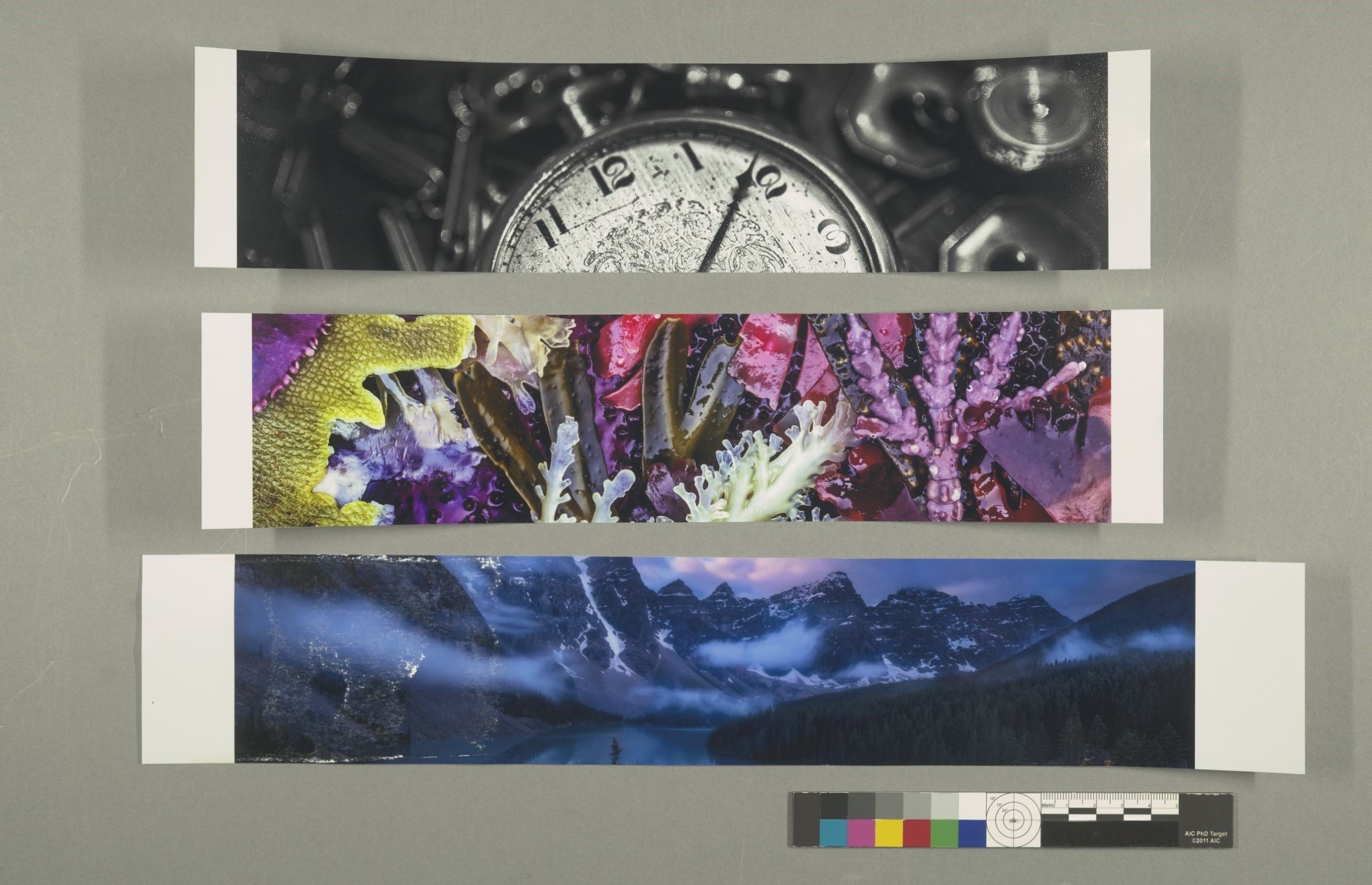
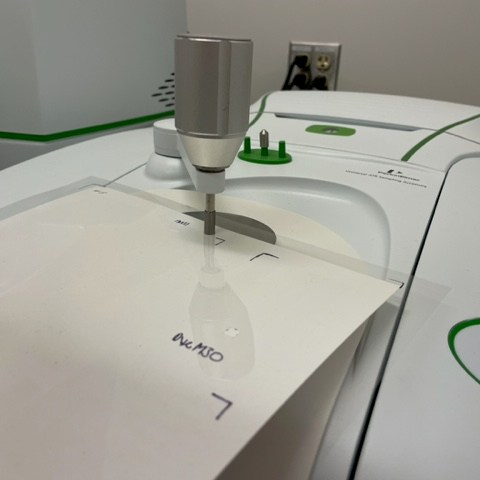
After learning about the Bizot Green Protocol, I advocated to include artificial aging studies in my research to begin investigations into the incorporation of sustainability protocols within museums. In collaboration with Paper Conservation and my mentor, Dr. Joan Walker, I assembled two aging studies that examined the long-term effects of various storage methods on inkjet prints.
I deduced that the storage of rolled inkjet prints can cause damage. The image above reveals the before and after of the sample prints. I presented this and other findings with key stakeholders including photograph conservators, who are responsible for the care of inkjet prints at the Gallery. More information can be found on pages 24-26 of my final report.
Light sensitivities of various inks
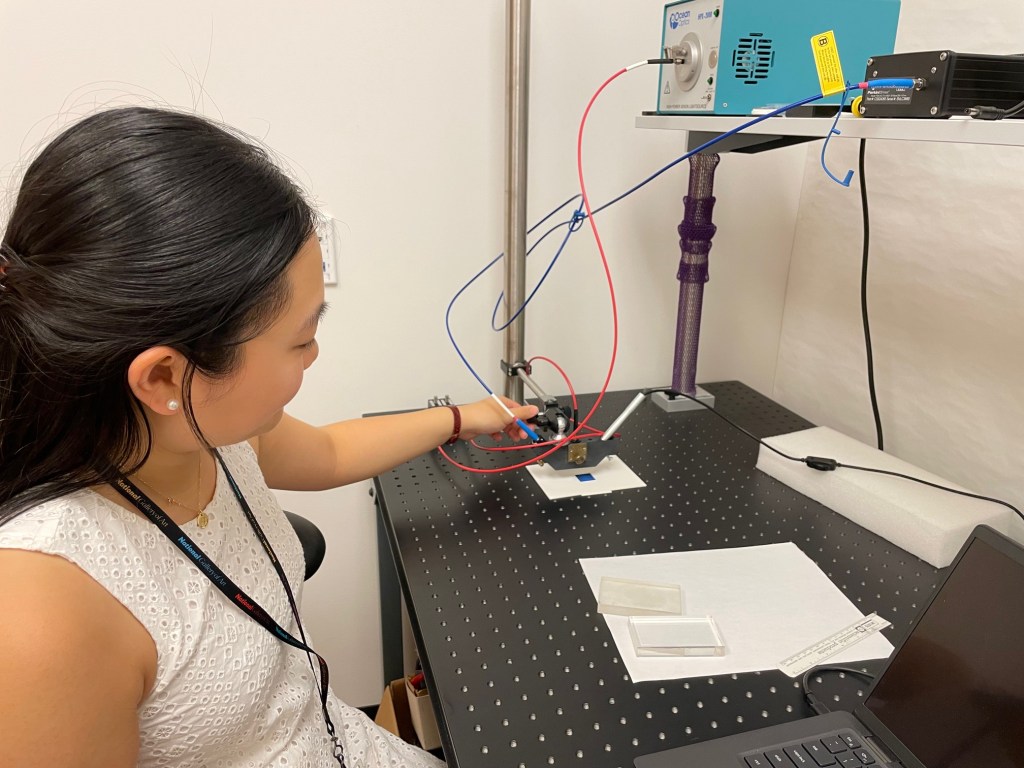
Testing Blue Wool standards using the Microfading Tester.
The Microfading Tester (MFT), a technique unique to the cultural heritage field, can simulate long-term light exposure and help predict an item’s light reactivity. Blue Wool standards are often used as comparison standards; samples with sensitivity rates higher than Blue Wool Standard 1 are considered very sensitive to light.
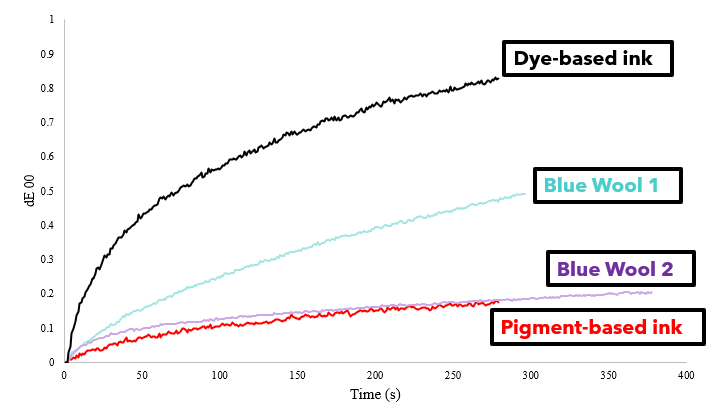
I determined that dye-based inks in this study collection were more light sensitive than pigment-based inks. The figure above shows the rate of color change over time in two samples, printed on identical papers and examining black ink. The dye-based ink sample changed color at a faster rate than Blue Wool standard 1, indicating it to be light fugitive. I recommended prints containing dye-based inks may need extra precautions regarding light exposure.
Discovery of Raman active inks
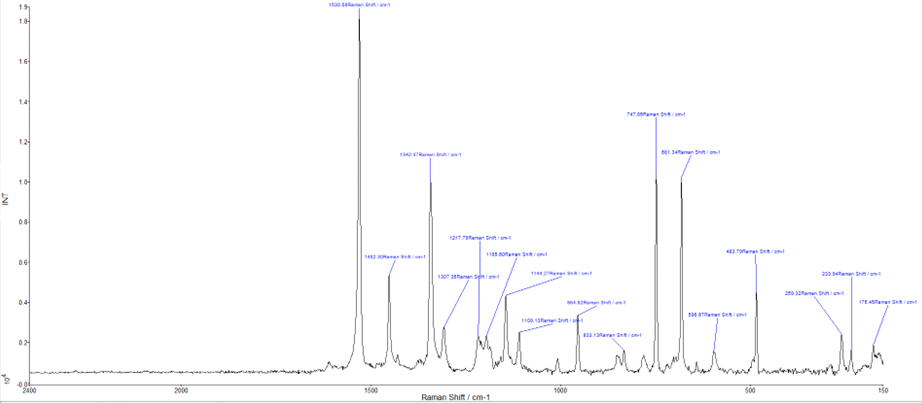
At the Gallery, I expressed interest in honing my analytical skills through instrumentation. My enthusiasm for professional growth led to the unexpected discovery of Raman active inks present in this study collection. The figure above contains the Raman spectrum revealing one of the pigments used in the prints was phthalocyanine. My discovery serves as an example for the importance of using multiple techniques to analyze a selected work.
Deliverables
Internal Report
I summarized my findings for my department in the form of a written report, in total 33 pages.
File available upon request.
Verbal Presentations
I delivered presentations on analytical techniques used in the conservation science field to the following interdisciplinary groups:
- Photograph Conservation Department
- Library of Congress (new hires, fellows, and interns)
- UMBC SciART consortium interns
- Washington Conservation Guild
Image Gallery
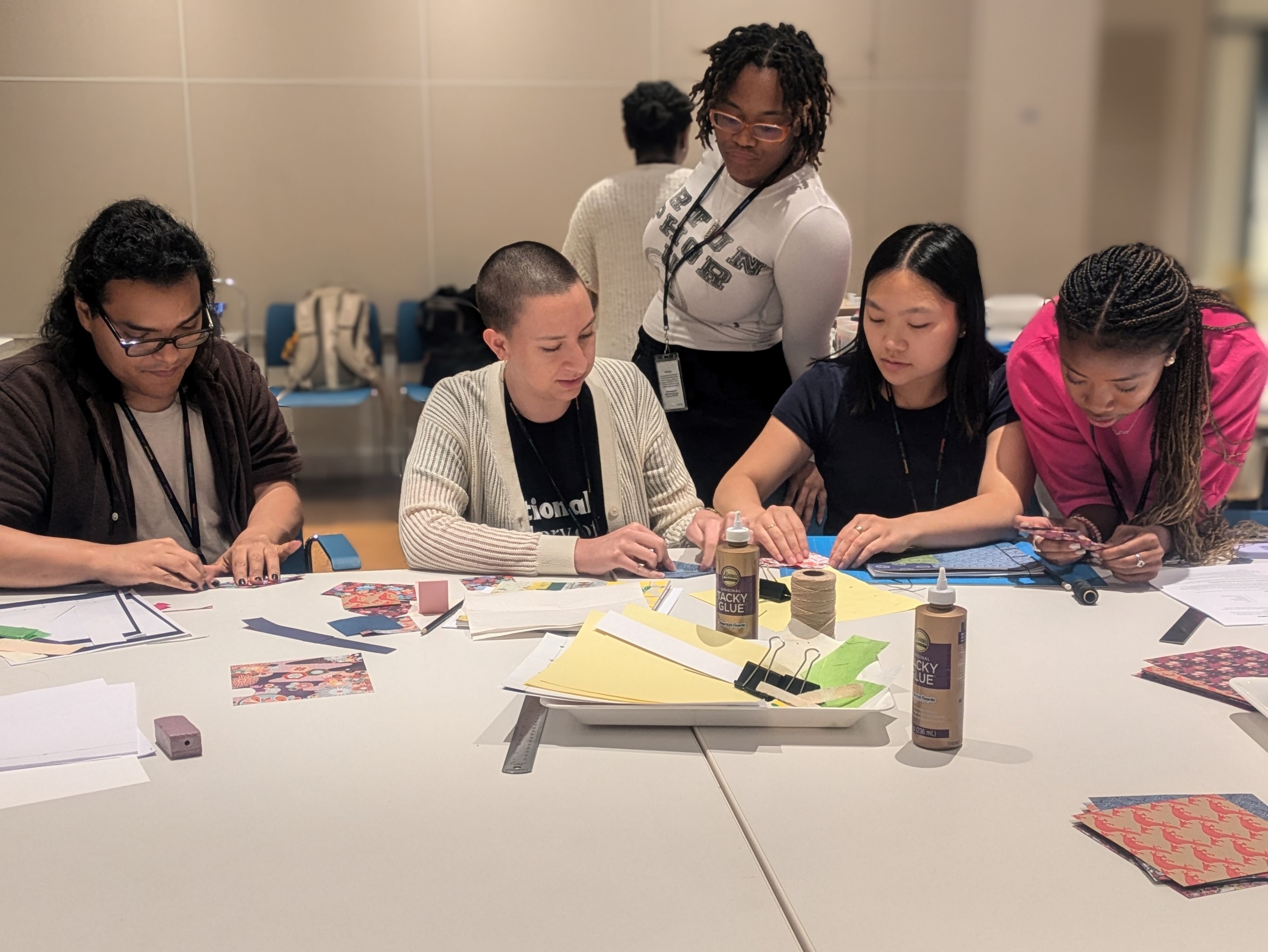
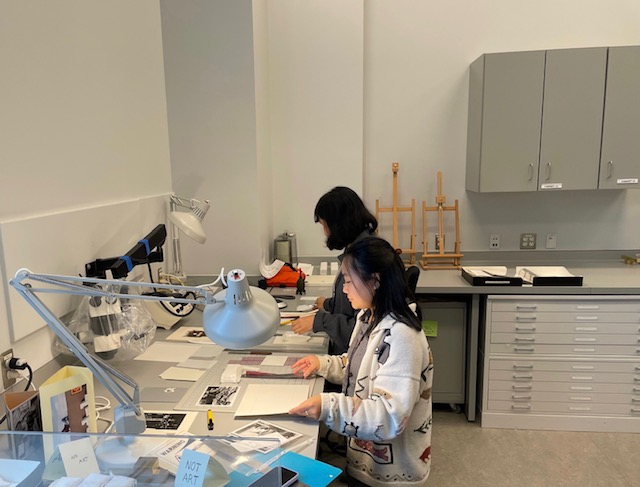
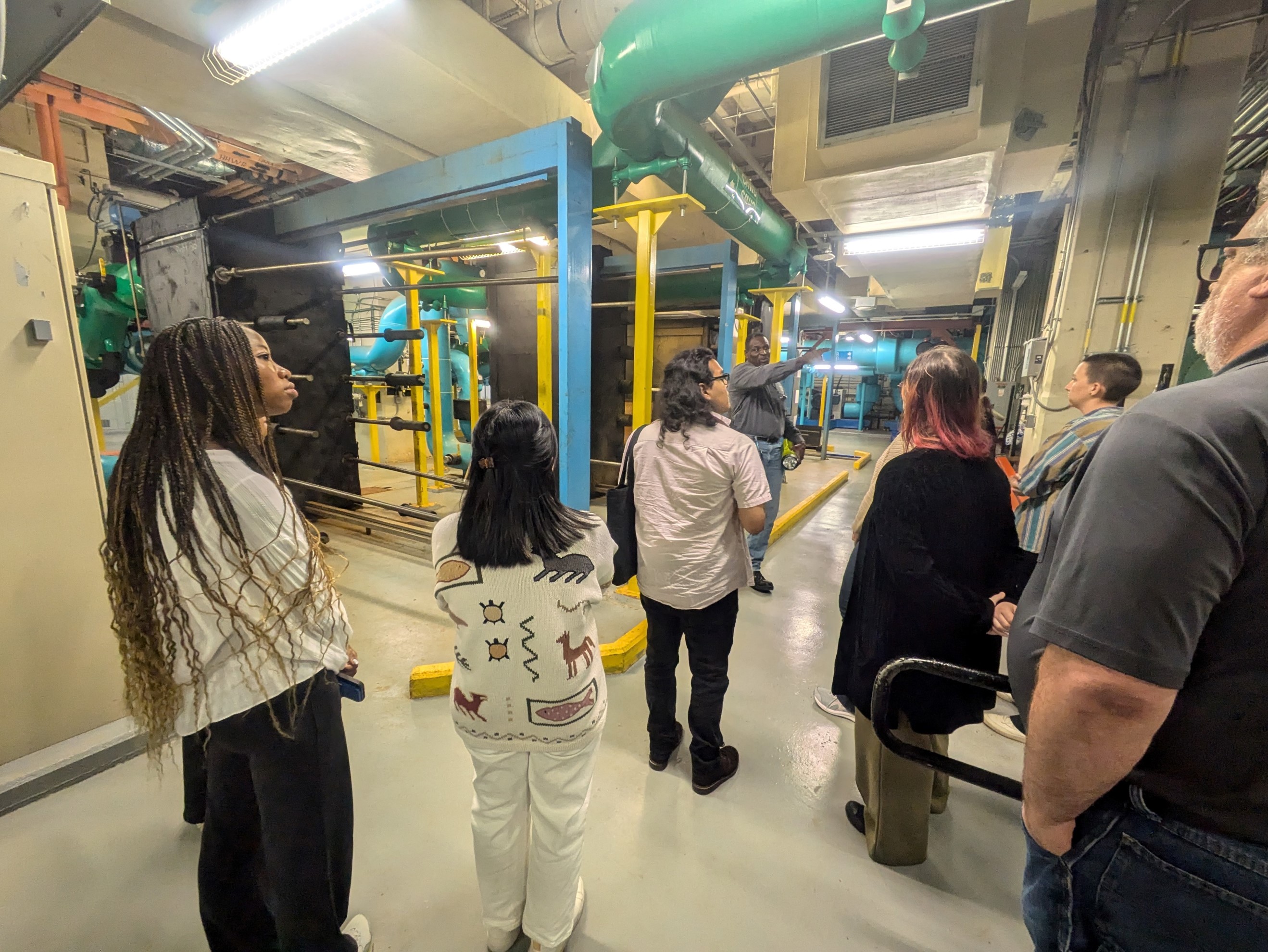
Check out some of the other cool things I got to see around the Gallery!

 Sarah Fong